
Category: Research
-
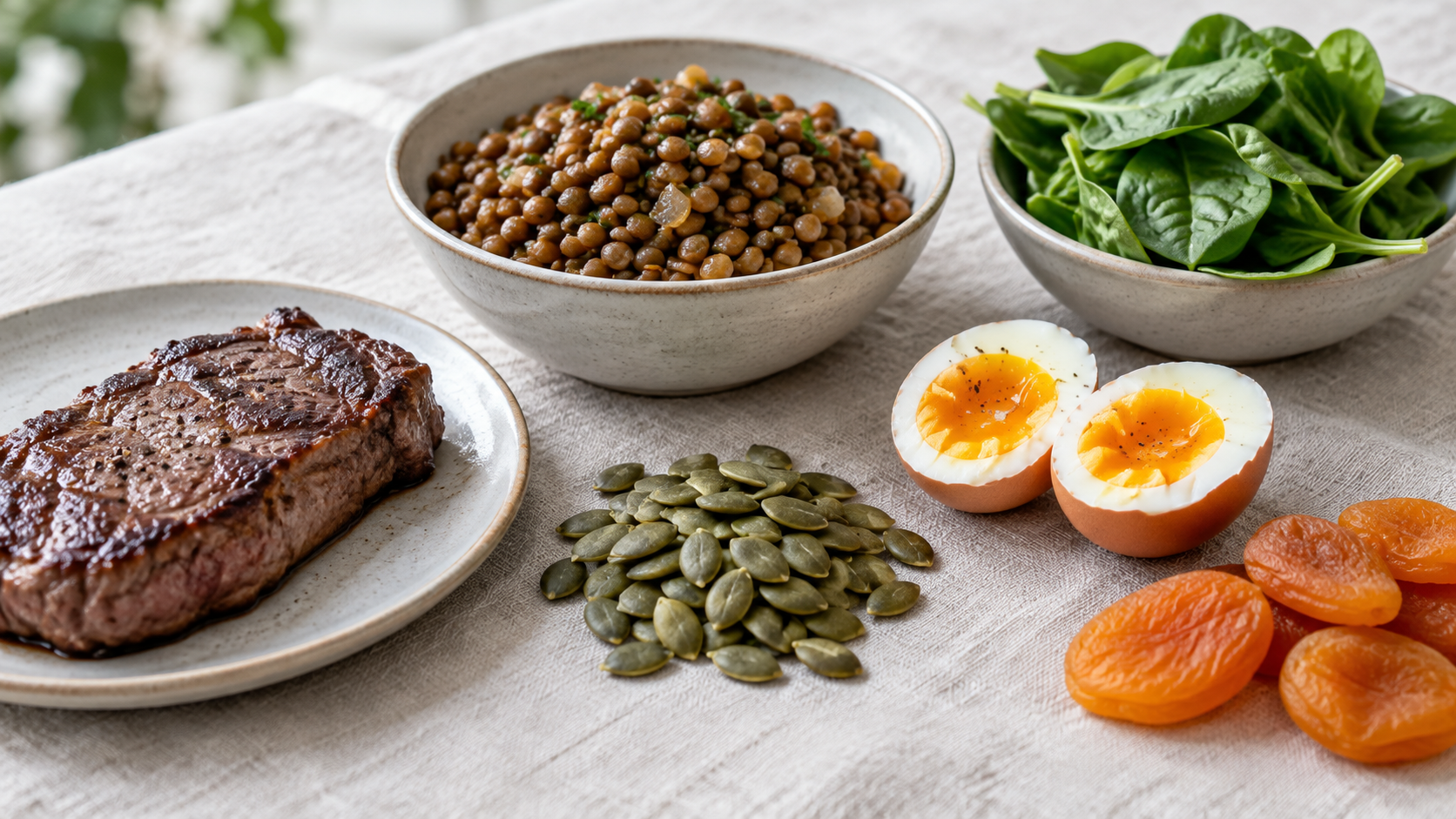
What does the evidence really say? Iron tablets are among the most commonly taken supplements in Britain, and they’re increasingly sold with brain claims: more focus, less fog, sharper thinking. Iron is genuinely essential for the brain. But there’s a big difference between treating a deficiency and topping up an already healthy level, and confusing…
-

What does the evidence really say? Coenzyme Q10, usually shortened to CoQ10, appears in supplements promising everything from more energy to a sharper, younger brain. It’s often one of the pricier bottles on the shelf. CoQ10 is a genuinely important molecule, and the idea that it might protect the brain has a real scientific basis.…
-

What does the evidence really say? Melatonin is probably the most famous “sleep supplement” in the world, and it’s increasingly marketed with brain-health promises too: deeper sleep, sharper mornings, protection against decline. Here in the UK it has an unusual status: it’s not a supplement at all, but a prescription-only medicine. That alone tells us…
-

What does the evidence really say? Few ideas in nutrition have caught on quite like the “gut-brain axis”. Feed your gut bacteria the right things, the story goes, and your mood, memory and mind will thank you for it. Probiotic supplements are now sold with exactly that promise, sometimes under the name “psychobiotics”. It’s a…
-

What does the evidence really say? Zinc has a reputation as a “brain mineral”. It sits in supplements marketed for memory, focus and mood, often bundled with other nutrients promising mental sharpness. Zinc is genuinely essential, and the brain holds more of it than almost any other tissue. But does taking extra zinc, beyond what…
-

Methylene blue has had a strange journey: a Victorian textile dye, one of the first synthetic drugs ever used against malaria, a hospital treatment for a rare blood disorder, and now a fixture of biohacking forums where it is sold as a memory booster. The gap between what the research actually shows and what the…
-

What does the evidence really say? Multivitamins are the most widely taken supplements in the country, and plenty of people take one “just in case”, as a sort of nutritional insurance policy for the brain and body. It’s a reasonable-sounding idea. But a daily multivitamin is only worth taking if it does something measurable, and…
-

What does the evidence really say? Magnesium has quietly become one of the trendiest supplements around, and it is often sold with claims about better sleep, calmer nerves and a sharper mind. There is no doubt magnesium matters for the body. The harder question is whether taking extra magnesium, beyond what a decent diet provides,…
-

What does the evidence really say? Vitamin D is one of the few supplements that UK health bodies genuinely recommend for most of us, at least in autumn and winter. So it’s no surprise that it’s also been linked, in headlines at least, to a healthier brain. Those two things aren’t the same claim. Taking…
-

What does the evidence really say? Vitamin B12 comes up in almost every conversation about memory and “brain fog”, and supplement marketing often makes it sound simple: take more B12, think more clearly. The real picture is more interesting. A genuine B12 deficiency is a serious medical issue, and it becomes more common as we…