
LOOK AFTER YOUR BRAIN. LOOK AFTER YOUR FUTURE.
Understand the everyday habits, nutrition, and ingredients that make up the bigger picture of cognitive health.
Your brain works around the clock — controlling movement, processing information, storing memories, managing emotions, and helping you make decisions.
Looking after it isn’t about finding one magic ingredient. It’s about understanding the foundations of good cognitive health and making informed choices about what may support it.

WHAT DOES “BRAIN HEALTH” ACTUALLY MEAN?
Brain health is a broad concept that includes how well your brain functions across areas such as thinking, learning, memory, attention, mood, and everyday mental performance.
Many factors influence it, including sleep, physical activity, nutrition, stress, social connection, and mental stimulation.
Genetics and ageing also play important roles, and everyone’s circumstances are different.
That means there isn’t one universal formula for maintaining a healthy brain.
There is no single “brain health” ingredient.
The bigger picture matters.
THE FOUNDATIONS OF BRAIN HEALTH
Before looking at supplements, it’s worth getting the fundamentals right.
These everyday factors play a much bigger role in overall cognitive health than any single supplement.
🧠 MENTAL STIMULATION
KEEP YOUR MIND ENGAGED
Your brain responds to what you do with it.
Reading, learning new skills, solving problems, playing music, creative activities, and exploring unfamiliar subjects can all provide opportunities for mental engagement.
You don’t need to turn every activity into a brain-training exercise. Curiosity and lifelong learning can simply be enjoyable parts of everyday life.
Keep learning. Keep exploring. Keep your mind active.
🌿 STRESS & RELAXATION
MAKE SPACE TO UNWIND
Stress is part of normal life. The challenge is when periods of stress become persistent or overwhelming.
Finding healthy ways to relax and manage everyday pressures can form an important part of overall wellbeing.
Different approaches work for different people — from exercise and time outdoors to hobbies, breathing exercises, mindfulness, or simply making time away from screens and work.
Mental performance isn’t just about pushing harder.
👥 SOCIAL CONNECTION
STAY CONNECTED
Humans are social by nature. Relationships, conversation, and meaningful social interaction are important parts of overall wellbeing.
Staying connected with friends, family, colleagues, and your wider community can be an important part of a healthy lifestyle.
Brain health doesn’t happen in isolation.
💤 SLEEP
SLEEP
Sleep isn’t simply time when your brain switches off. It’s an important part of normal brain function and recovery.
Getting enough good-quality sleep supports normal attention, memory, learning, and mood.
Poor or insufficient sleep can affect how well we think and perform during the day. That’s one reason sleep should be considered a foundation of cognitive health, not something to sacrifice in pursuit of productivity.
Don’t use supplements to compensate for consistently poor sleep.
🏃 PHYSICAL ACTIVITY
KEEP MOVING
Physical activity isn’t just about physical fitness. Regular movement is also closely connected with brain and overall health.
Walking, cycling, swimming, strength training, and other activities can all contribute to an active lifestyle.
You don’t necessarily need an extreme exercise program. Consistency matters.
Movement is part of the bigger picture of brain health.
🥗 NUTRITION
FEED YOUR BRAIN
Your brain needs energy and nutrients to function normally.
A varied, balanced diet provides a wide range of nutrients that contribute to normal health and bodily function.
Rather than focusing on one “superfood”, think about the overall quality and variety of your diet.
A balanced diet comes before a supplement cupboard.

IT ALL CONNECTS
Sleep affects how you feel during the day.
Physical activity can influence how you sleep.
Nutrition provides the energy and nutrients your body needs.
Stress can affect sleep and concentration.
Social connection and meaningful activities contribute to overall well-being.
Brain health isn’t six separate boxes. It’s a connected system.
WHERE DO SUPPLEMENTS FIT?
Supplements can be an interesting part of the conversation around nutrition and cognitive health, but they shouldn’t be confused with the foundations of a healthy lifestyle.
Some nutrients, botanical ingredients, and other compounds have been studied for their potential effects on aspects of cognition, alertness, memory, or mental performance.
The evidence varies considerably from one ingredient to another — and promising research doesn’t automatically mean an ingredient will produce a noticeable benefit for everyone.
SUPPLEMENTS ARE PART OF THE PICTURE.
THEY AREN’T THE WHOLE PICTURE.
CURIOUS ABOUT NOOTROPICS?
We’ve created the Suppliwell Nootropics A–Z to help you explore individual ingredients in more detail.
Discover what has been studied, what the evidence suggests, where the limitations are, and what questions researchers are still trying to answer.

Bacopa Monnieri
Memory • Learning • Cognition

Caffeine
Alertness • Attention • Wakefulness
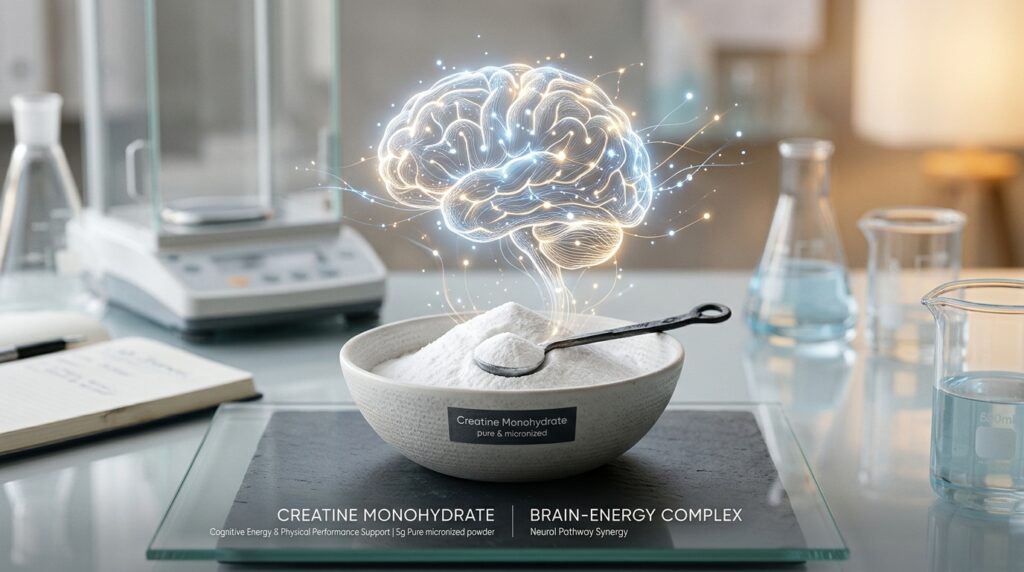
Creatine
Brain energy • Cognition

Lion’s Mane
Brain health • Cognition research
WANT THE BIGGER PICTURE?
The Suppliwell Brain Health Handbook brings the fundamentals together in one straightforward guide.
Learn about brain health, everyday lifestyle factors, nootropics, and the ingredients being researched in this area.
Straightforward information • Evidence-focused • Beginner-friendly
FROM THE BRAIN HEALTH JOURNAL
THE FOUNDATIONS OF BRAIN HEALTH
The everyday factors that matter when thinking about cognitive health.
WHY SLEEP MATTERS FOR YOUR BRAIN
Explore the relationship between sleep, memory, attention, and everyday mental performance.
CAN EXERCISE SUPPORT BRAIN HEALTH?
What research tells us about physical activity and the brain.
Explore our latest articles covering the science, habits, and everyday choices that can form part of the bigger brain-health picture.
VIEW ALL BRAIN HEALTH ARTICLES →
FAQ’s
Start with the basics. Look at sleep, physical activity, nutrition, mental stimulation and stress management. Once you’ve considered those foundations, you can explore our Nootropics A–Z to learn more about individual ingredients.
There isn’t a single diet that is universally appropriate for everyone. Overall dietary quality, variety, and nutritional adequacy are more useful concepts than relying on one specific food or ingredient.
Brain health describes the brain’s ability to function across areas such as thinking, learning, memory, attention, communication, and mood. It is influenced by many factors, including lifestyle, nutrition, physical activity, sleep, stress, social connection, genetics, and ageing.
Nutrition is an important part of overall health, and the brain requires energy and nutrients to function normally. A varied and balanced diet is generally a better starting point than focusing on individual “brain foods” or supplements.
Physical activity is associated with many aspects of overall health and has been extensively studied in relation to brain and cognitive health. Regular movement is therefore an important part of a healthy lifestyle.
Some ingredients have been studied for specific aspects of cognitive function, but the evidence varies considerably. Supplements shouldn’t be viewed as a replacement for sleep, exercise, nutrition or other healthy lifestyle habits.
Yes. Insufficient or poor-quality sleep can affect alertness, attention, mood, and aspects of cognitive performance. That’s one reason adequate sleep should be treated as a foundation, not something supplements can simply replace.
Not necessarily. “Nootropic” is a broad term used for substances associated with cognitive function or mental performance, while “brain health supplement” is an even broader marketing term. The most useful approach is to look at the individual ingredient and the evidence behind it.
There isn’t one single factor. Adequate sleep, regular physical activity, a balanced diet, mental stimulation, social connection, and healthy approaches to managing stress are all important parts of the bigger picture.
Stress can influence how people feel and perform, particularly when it is persistent or intense. Healthy approaches to managing everyday stress can therefore form part of a broader approach to wellbeing and cognitive health.
THE BIGGER PICTURE MATTERS
LOOK AFTER YOUR BRAIN. ONE CHOICE AT A TIME.
No magic button exists for cognitive health.
Still, there’s plenty worth understanding.
Learn the foundations. Explore the evidence. Ask better questions.
DISCLAIMER
Suppliwell provides general educational information about brain health, nutrition, supplements, and nootropics. This information is not medical advice and isn’t intended to diagnose, treat, cure, or prevent any disease or health condition.
Individual circumstances vary. Supplements may cause side effects or interact with medications and other supplements. If you have a medical condition, take medication, are pregnant or breastfeeding, or are unsure whether a supplement is appropriate for you, consult an appropriately qualified healthcare professional.