
What does the evidence really say?
Ginkgo biloba is one of the most popular herbal supplements in the world, and it is usually sold with a simple promise: better memory.
The claims are everywhere. Improved recall. Sharper thinking. Protection against age-related memory loss. Some labels go further and hint at protection against dementia itself.
Ginkgo has a genuinely interesting scientific history, and researchers have studied it more than most herbal products. That gives us something valuable: real human evidence to look at, rather than just tradition and marketing.
So let’s look at what we know.
What Is Ginkgo Biloba?
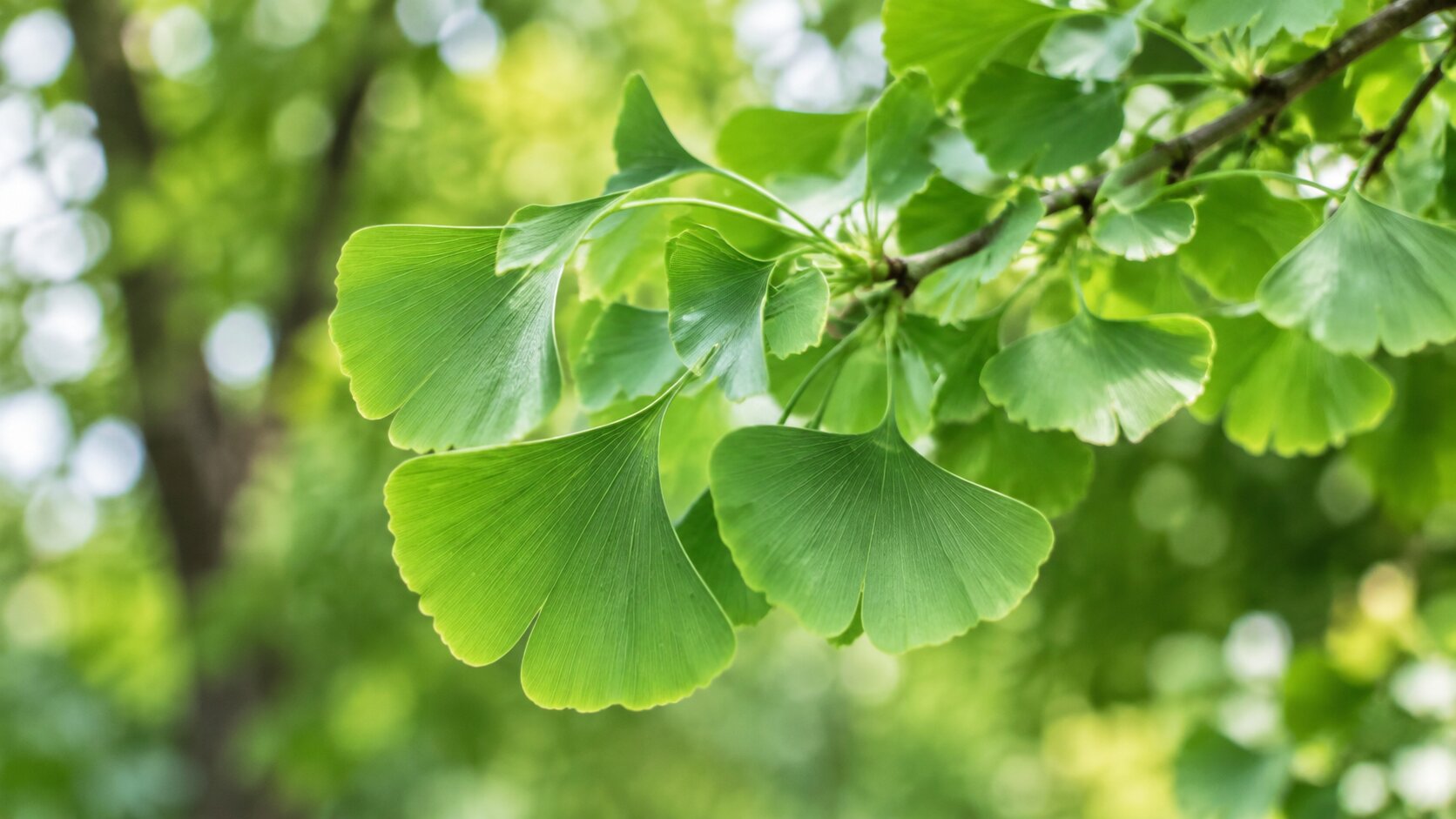
Ginkgo biloba is a tree, sometimes called the maidenhair tree, and it is one of the oldest tree species on Earth. Its leaves have been used in traditional Chinese practices for centuries.
Modern supplements are usually made from a concentrated leaf extract. The best-studied version is a standardised extract known as EGb 761, which is prepared to contain consistent amounts of the plant’s main active compounds, including flavone glycosides and terpene lactones.
That standardisation matters. When researchers test a defined extract, the results tell us about that preparation. They may not apply to every ginkgo product on a shop shelf.
Why Is It Being Studied?
Researchers became interested in ginkgo because of effects seen in laboratory research. These include antioxidant activity and possible effects on blood flow and on the way blood platelets behave.
Those findings were enough to generate a reasonable scientific question: could ginkgo protect the ageing brain?
But there’s an important distinction:
A biological effect observed in a laboratory doesn’t automatically mean that taking a supplement will produce the same effect in people. That’s a principle I want Suppliwell readers to remember when evaluating any supplement.
To answer the question properly, we need well-designed human clinical trials. And for ginkgo, unusually, we have two very large ones.
What Have Human Studies Found?
Smaller trials over the years have produced mixed results. Some suggested modest benefits; others found none. That kind of pattern usually means the studies were too small, too short, or too different from one another to give a clear answer.
The two largest trials were designed to settle the question.
The GEM study, published in JAMA in 2008, followed more than 3,000 people aged 75 and over in the United States. Half took 120 mg of standardised ginkgo extract twice a day; the other half took a placebo. The trial ran for a median of about six years.
The result was clear: ginkgo did not reduce the overall rate of dementia, did not reduce the rate of Alzheimer’s disease, and did not slow progression in people who already had mild cognitive impairment.
The GuidAge study, published in The Lancet Neurology in 2012, took a similar approach in France. More than 2,800 people aged 70 and over who had reported memory concerns took either ginkgo extract or a placebo for five years. Again, ginkgo did not reduce the number of people who went on to develop Alzheimer’s disease.
A Cochrane review looking at ginkgo for people who already had cognitive impairment or dementia found the evidence there too was inconsistent and of low quality. Any possible benefits were small and uncertain.
When the biggest and longest trials point the same way, I take that seriously.
Is It Safe?
In the large trials, ginkgo was generally well tolerated, with side-effect rates similar to placebo.
There is one caution I want to flag clearly. Ginkgo can affect blood clotting, so it may not be suitable for people taking anticoagulant or antiplatelet medicines such as warfarin or daily aspirin, or for anyone due to have surgery. The raw seeds of the ginkgo tree are toxic and should never be eaten.
If you take any regular medication, speak to your GP or pharmacist before starting ginkgo, or any new supplement.
My answer is:
For preventing memory decline in healthy older people, the best evidence we have says ginkgo does not work.
The two largest and longest randomised trials both found no protection against dementia or Alzheimer’s disease.
That makes it difficult to say:
“Ginkgo biloba protects your memory.”
I’d consider that claim too strong based on the evidence currently available.
Important Note
This article is educational and isn’t intended to diagnose, treat, cure or prevent disease. If you’re experiencing significant changes in memory, thinking, mood or neurological function, seek advice from an appropriately qualified healthcare professional.
References
DeKosky ST, et al. (2008). Ginkgo biloba for prevention of dementia: a randomized controlled trial. JAMA, 300(19), 2253–2262.
Vellas B, et al. (2012). Long-term use of standardised ginkgo biloba extract for the prevention of Alzheimer’s disease (GuidAge): a randomised placebo-controlled trial. The Lancet Neurology, 11(10), 851–859.
Birks J, Grimley Evans J. (2009). Ginkgo biloba for cognitive impairment and dementia. Cochrane Database of Systematic Reviews, (1), CD003120.
Want to understand more about brain health?
Download the free Suppliwell Brain Health Handbook.
What Is a Randomized Controlled Trial? – Turmeric & Curcumin